Soft Washing: A Cleaner That Goes Deeper
A building maintenance supervisor once explained how their property’s black-streaked awnings were driving away tenants. They tried pressure washing, but the stains kept coming back. When they switched to soft washing, the difference was immediate—and it lasted. That’s because soft washing doesn’t just blast away dirt, it treats the cause and kills it at the root.- Soft washing uses low pressure and biodegradable cleaners to safely clean delicate surfaces.
- It’s ideal for stucco, painted surfaces, vinyl siding, and roofs vulnerable to damage from high pressure.
- By treating bacteria like Gloeocapsa Magma, soft washing helps prevent long-term damage and restores original color.
Why Soft Washing Works Better Than Standard Pressure Washing
Traditional pressure washing often fails to fully eliminate mold, mildew, or bacteria. It may remove the visible buildup, but it doesn't neutralize the organic growth that causes it. That’s where soft washing excels. It's safer for surfaces and more effective at stopping stains before they return. Slippery walkways, mildewed signs, and streaked siding can all benefit from this approach.- Soft washing reduces the chance of slips and falls by removing organic growth on walkways.
- It leaves surfaces cleaner for longer by treating the root of the buildup, not just the surface.
- Soft washing minimizes the risk of property damage compared to high-pressure cleaning.
Power Washing: A Tougher Approach for Tougher Surfaces
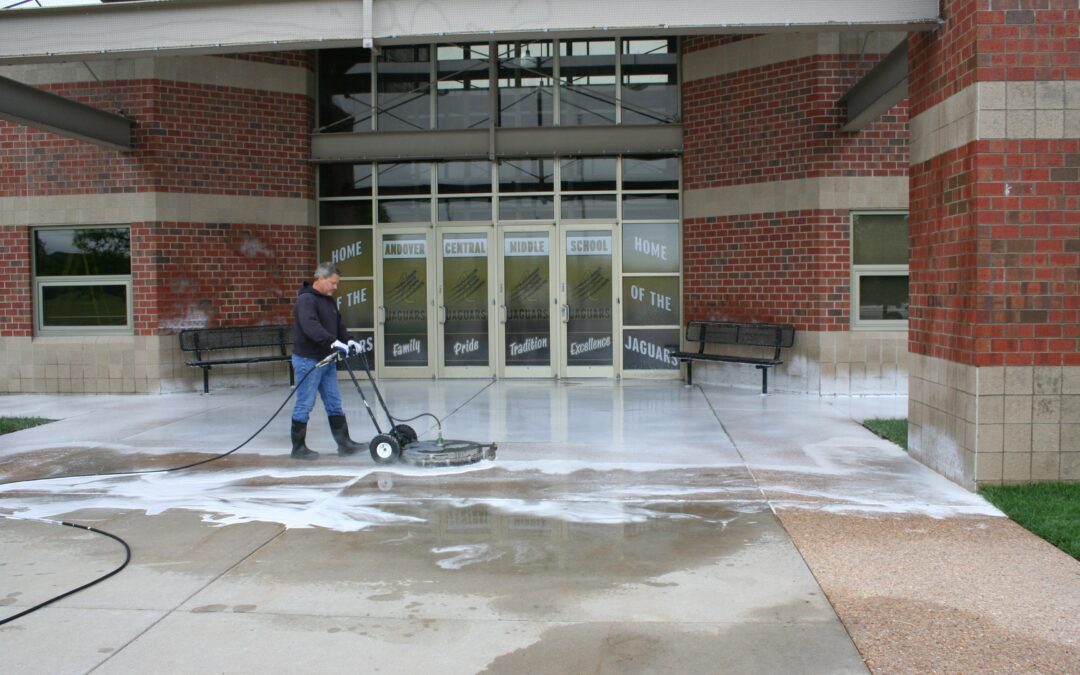
Where soft washing stops, power washing picks up the slack. Power washing combines controlled pressure with heated water to clean concrete, steel, brick, and other heavy-duty surfaces. The added heat helps dissolve grease, kill bacteria, and cut through years of grime in seconds. Businesses with large footprints—like restaurants, shopping centers, or warehouses—often benefit from routine power washing to maintain a polished look.- Heated water lifts stubborn oil stains and grime more effectively than cold water pressure alone.
- Adjustable nozzles allow operators to change settings for each surface, ensuring safe and effective cleaning.
- Power washing is ideal for loading docks, dumpster areas, parking garages, and concrete walls.

Erasing Years of Buildup With One Good Wash
From pollution and chewing gum to graffiti and oil, every inch of a property tells a story. A good power wash rewrites that story. Business owners often forget just how faded and dirty their storefronts have become until the wash is complete. Suddenly, color returns to the concrete, signage shines again, and everything feels refreshed.- Clean entrances, sidewalks, and exteriors create a more welcoming experience for customers and employees.
- Cleaner common areas show tenants you care and boost satisfaction in commercial or multi-unit properties.
- Well-maintained properties show pride and attention to detail that customers and clients notice.
Sanitizing Surfaces for a Healthier Environment
Germs don’t just live inside buildings—they cling to walls, rails, and concrete surfaces outdoors, too. Power washing doesn't just make things look nice; it disinfects. This step is especially important for shared commercial spaces or community settings where exposure is higher. When bacteria, mold, and mildew are removed, the air is cleaner, and surfaces become safer to touch.- Disinfecting with hot water and specialized cleaning agents reduces exposure to harmful bacteria.
- Mold on exterior walls can lead to indoor air problems if not treated properly.
- Power washing helps stop organic growth before it becomes a health risk.
First Impressions Start With the Curb
Before customers ever step inside, they’ve already formed an opinion. Dirty windows, stained walkways, and grime-covered walls quietly send the wrong message. Commercial buildings benefit enormously from regular exterior cleaning, not just for aesthetics—but because perception matters. If the outside is spotless, people assume the same level of care exists inside.- Curb appeal boosts foot traffic, customer satisfaction, and lease appeal for tenants.
- Pressure washing restores bright, fresh looks to buildings dulled by time and pollution.
- Well-kept properties leave positive impressions on buyers, renters, and investors.

Key Takeaways
- Soft washing safely eliminates bacteria and organic growth on delicate surfaces.
- Power washing uses heat and pressure to remove grime, oil, and tough stains on durable materials.
- Routine washing improves safety, air quality, and curb appeal across the property.
- Professional washing services preserve building value and minimize long-term repair costs.
- Clean properties attract better tenants, more customers, and stronger market value.
Frequently Asked Questions About Soft Washing and Power Washing
Does soft washing damage paint or siding? No. Because soft washing uses low pressure and specialty cleaning agents, it’s safe for painted surfaces and siding. It removes buildup without peeling or scuffing paint. How often should commercial buildings be power washed? Many commercial properties benefit from quarterly or bi-annual cleaning, but high-traffic or food-based businesses might need monthly treatments, especially in humid or dirty environments. Can soft washing kill mold completely? Yes. Soft washing treats and kills mold, algae, and bacteria at the source, preventing regrowth far longer than standard washing methods. Is there a difference between power washing and pressure washing? Yes. Power washing adds heat to the water stream, making it better at removing oil, gum, and bacteria. Pressure washing uses cold water and relies solely on force. What surfaces should not be power washed? Older stucco, painted wood, and soft roofing materials can be damaged by high pressure. These areas are better suited to soft washing for gentle, effective cleaning.- About the Author
- Latest Posts

Specializing in pressure washing services in St. Tammany, Danny’s Pressure Washing is committed to enhancing the curb appeal of both residential and commercial properties. With a focus on safety and meticulous attention to detail, our experienced team utilizes state-of-the-art equipment and techniques to deliver exceptional cleaning results for projects of all sizes.