
The benefits of soft washing include removing exterior stains, reducing the force used on delicate surfaces, and addressing certain types of organic buildup. Homes and commercial buildings can develop algae, mildew, dirt, and discoloration when exterior materials are exposed to rainfall, humidity, and shaded conditions. Unlike conventional pressure washing, soft washing uses lower water pressure and cleaning solutions selected for particular surfaces and contaminants. Understanding its advantages, limitations, and proper applications helps property owners maintain siding, roofing, and other exterior materials without assuming every cleaning method is suitable for every surface.
- Removes dirt and suitable organic staining from exterior surfaces.
- Uses less mechanical force than conventional pressure washing.
- Can address roof algae discoloration when manufacturer-approved methods are used.
- Supports routine cleaning of suitable siding and painted surfaces.
- Allows cleaning treatments to be selected according to surface condition.
What Makes Soft Washing Different?
Soft washing combines low-pressure water application with cleaning solutions designed to loosen or treat specific types of exterior buildup. The cleaning solution performs much of the work, reducing the need to remove stains using forceful water pressure. The Asphalt Roofing Manufacturers Association recommends gentle cleaning procedures for algae-stained asphalt shingles because high-pressure washing can damage roofing materials. The benefits of soft washing depend on proper product selection, suitable surfaces, and careful application rather than low water pressure alone.
- Cleaning solutions are selected for particular stains and materials.
- Lower water pressure reduces mechanical force on the surface.
- Application methods must follow manufacturer instructions.
- Delicate materials still require testing and inspection before treatment.
1. Improves Your Home’s Exterior Appearance
One of the most noticeable benefits of soft washing is its ability to remove unwanted buildup that changes the appearance of siding, trim, and other exterior surfaces. Green algae, dark streaks, pollen, and accumulated dirt can make a well-maintained home look weathered even when the underlying material remains in good condition. Proper cleaning may restore a more uniform appearance without requiring immediate repainting or replacement of otherwise sound materials. The siding manufacturer CertainTeed recommends gentle cleaning with suitable products to remove common dirt and stains from its vinyl and polymer siding.
- Removes suitable green and dark organic staining.
- Clears accumulated dirt from compatible siding and trim.
- Improves the appearance of entrance areas and exterior walls.
- Helps distinguish surface discoloration from damaged materials.
2. Reduces the Force Applied to Delicate Surfaces
Conventional pressure washing can damage certain exterior materials when water strikes them with excessive force. Painted wood, aging siding, and some roofing products may develop damaged finishes, loose material, or moisture intrusion when inappropriate cleaning equipment is used. CertainTeed specifically advises against power washing its vinyl and polymer siding, recommending gentler cleaning methods instead. A compatible low-pressure treatment can reduce pressure-related risks, although improper chemical application or excessive soaking can still cause damage.
- Places less mechanical stress on compatible exterior materials.
- Reduces the need for aggressive spraying on delicate finishes.
- Allows cleaning methods to account for the condition of siding and trim.
- Helps avoid unnecessary force near vulnerable joints and openings.
- Does not eliminate the need for manufacturer-approved products.
3. Treats Algae, Mildew, and Other Organic Staining
Exterior walls in humid regions frequently develop algae and mildew staining where moisture lingers or sunlight is limited. Soft washing can use suitable cleaning products to treat these deposits instead of depending entirely on water pressure to dislodge them. The U.S. Forest Service explains that mildew can discolor wood finishes and contribute to premature finish failure, making appropriate cleaning and coating maintenance important. Treatment results depend on the contaminant and product used, and future growth remains possible when damp conditions return.
- Addresses suitable algae and mildew staining.
- Helps remove buildup from shaded exterior areas.
- Can reduce the need for aggressive brushing on compatible surfaces.
- Allows cleaning products to be selected for the specific problem.

4. Helps Remove Roof Algae Without High-Pressure Washing
Dark streaks on asphalt shingle roofs are often caused by algae rather than ordinary dirt. The Asphalt Roofing Manufacturers Association explains that algae discoloration is primarily cosmetic and advises homeowners not to use high-pressure washers or abrasive scrubbing on asphalt shingles. Manufacturer-approved low-pressure treatments can address appropriate roof staining while avoiding the force associated with conventional pressure washing. Roof cleaning still requires special precautions because unsuitable chemicals, excessive moisture, and unsafe access can create serious problems.
- Addresses cosmetic algae staining on suitable roofing materials.
- Avoids the high-pressure methods discouraged by roofing manufacturers.
- Uses cleaning products approved for the particular roof material.
- Requires precautions to protect surrounding landscaping.
- Should be performed by appropriately trained professionals when roof access is necessary.
5. Supports Routine Exterior Maintenance
Routine exterior maintenance involves more than removing visible dirt because homeowners also need to monitor paint, siding, caulking, and moisture-related concerns. Soft washing can be part of that maintenance when suitable cleaning removes surface buildup without unnecessary abrasion. Sherwin-Williams explains that maintenance cleaning contributes to the service life of painted surfaces, although cleaning cannot repair peeling paint or deteriorated building materials. Removing accumulated staining can also make cracks, damaged finishes, and other maintenance concerns easier to identify during an inspection.
- Helps maintain the appearance of suitable painted surfaces.
- Makes some existing exterior defects easier to observe.
- Supports cleaning schedules based on actual surface conditions.
- Allows homeowners to identify repairs that washing cannot address.
Which Exterior Surfaces Benefit From Soft Washing?
The suitability of soft washing depends on the material, its age, the existing finish, and the cleaning products involved. Certain siding and roofing materials can benefit from manufacturer-approved low-pressure treatment, while durable concrete may be better suited to controlled pressure washing. Older brick, deteriorated wood, and fragile decorative finishes may require hand cleaning or specialized preservation methods instead. Homeowners should avoid assuming that every exterior surface is safe to clean simply because the equipment operates at reduced pressure.
- Vinyl siding: Gentle cleaning methods approved by the siding manufacturer.
- Painted wood: Compatible cleaners and low-pressure rinsing when the coating is sound.
- Asphalt shingles: Manufacturer-approved treatments without high-pressure washing.
- Stucco: Material-specific cleaning after checking cracks and finishes.
- Historic masonry: Specialized evaluation before chemical or water-based cleaning.
Does Soft Washing Prevent Damage to Your Home?
Soft washing may reduce the mechanical force placed on suitable exterior materials, but it cannot guarantee protection against structural deterioration. Water intrusion, failing paint, rotting wood, and deteriorated mortar are separate maintenance problems that require appropriate repairs. The U.S. Forest Service explains that protective wood finishes help defend exterior surfaces against weathering, showing why cleaning alone cannot replace painting, sealing, or other protective work. Property owners should evaluate existing damage before washing and avoid using cleaning as a substitute for needed repairs.
- Repair deteriorated siding and rotten wood separately.
- Address leaking gutters and persistent moisture problems.
- Maintain protective paint and stain according to manufacturer instructions.
- Avoid spraying damaged seals, joints, and unprotected openings.
Is Soft Washing Safe for Landscaping?
Low-pressure water application may reduce some of the mechanical disturbance associated with forceful spraying, but cleaning solutions can still affect nearby plants. The type of chemical, concentration, application method, and amount of runoff influence whether flowers, shrubs, lawns, and other landscaping materials are exposed. The Environmental Protection Agency explains that polluted runoff can carry chemicals and other contaminants into waterways, making responsible water management important during exterior cleaning. Professional preparation should identify sensitive vegetation and establish appropriate protection and runoff controls before treatment begins.
- Identify vulnerable plants and gardens near cleaning areas.
- Protect outdoor water features from chemical overspray.
- Use cleaning products according to their labels.
- Prevent inappropriate discharge into storm drains.
- Follow applicable local wastewater requirements.
What Soft Washing Cannot Guarantee
Some advertised benefits of soft washing go beyond what routine exterior cleaning can reliably accomplish. Removing cosmetic roof staining does not establish that energy bills will decrease, and washing exterior surfaces does not automatically improve indoor air quality or eliminate respiratory concerns. The EPA explains that controlling moisture is necessary to prevent recurring indoor mold growth, which is a separate issue from cleaning exterior siding. Homeowners should evaluate soft washing according to realistic results, including improved exterior appearance and suitable stain removal, rather than expecting permanent mold prevention or guaranteed financial savings.
- Soft washing does not guarantee lower electricity bills.
- Exterior cleaning does not replace indoor mold remediation.
- Organic staining may return under favorable environmental conditions.
- Cleaning alone cannot repair damaged roofing or siding.

What Happens During Professional Soft Washing?
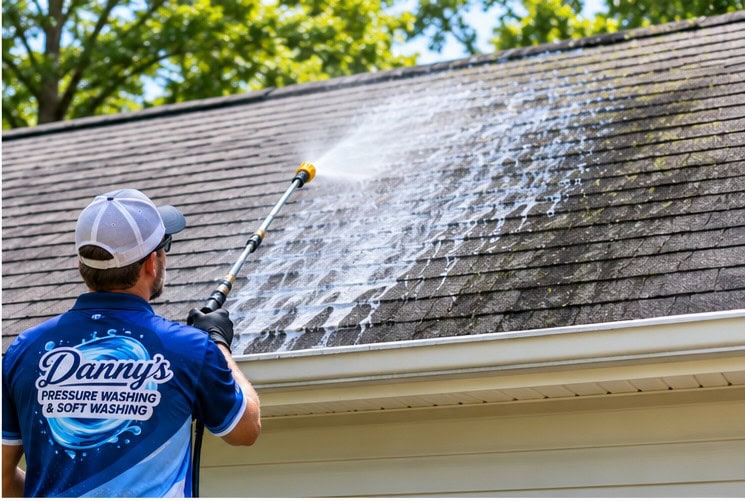
Professional soft washing generally begins with an inspection of the surfaces and the type of staining present. A trained cleaning provider selects an appropriate solution, protects vulnerable surroundings, and applies the treatment using equipment suited to the material. Cleaning products must be handled carefully because the CDC warns against mixing bleach with other cleaning products, which can release dangerous vapors. The surface is then rinsed or finished according to manufacturer instructions before the completed work is inspected.
- Inspect the condition of the exterior materials.
- Identify stains and select compatible cleaning products.
- Protect sensitive landscaping and building fixtures.
- Apply treatment according to product instructions.
- Inspect the cleaned surfaces for remaining stains or damage.
How Often Should a House Be Soft Washed?
The appropriate soft washing schedule depends on rainfall, shade, surrounding trees, siding materials, and the amount of buildup that develops. Properties with shaded exterior walls may experience recurring algae staining sooner than buildings receiving more sunlight and air circulation. Homeowners in Southeast Louisiana encounter humid conditions that can encourage organic growth, particularly where moisture remains present. Cleaning should be scheduled according to visible conditions and manufacturer recommendations rather than an automatic requirement to wash every exterior surface annually.
- Inspect shaded walls for returning green or dark stains.
- Monitor painted surfaces for peeling or deterioration.
- Check roof-cleaning recommendations before scheduling treatment.
- Avoid unnecessary washing when exterior materials remain clean.
When Is Pressure Washing a Better Choice?
Soft washing is not necessarily the preferred cleaning method for every outdoor surface. Sound concrete driveways, certain sidewalks, and other durable hardscapes may benefit from controlled pressure washing when embedded dirt requires mechanical removal. Oil stains, rust, and heavily contaminated surfaces may also need specialized treatments that differ from ordinary house washing. Property owners can compare pressure washing vs. soft washing to better understand which method suits the material and type of buildup.
- Controlled pressure washing may suit durable concrete.
- Soft washing may suit certain siding and roofing materials.
- Fragile surfaces may require specialized hand cleaning.
- Stubborn chemical or oil stains may need separate treatment.
Choosing a Professional Soft Washing Service
Homeowners should choose a cleaning company that understands surface materials, suitable products, and the limitations of low-pressure cleaning. An experienced provider can explain why a specific method is recommended and identify damaged areas that should not be treated. Written estimates should describe the surfaces included, cleaning products, landscaping precautions, and any additional work required. Property owners should also confirm appropriate insurance coverage and ask how the company protects windows, electrical fixtures, plants, and other vulnerable areas.
- Ask about experience with the specific siding or roofing material.
- Confirm that appropriate cleaning products will be used.
- Review photographs of comparable completed projects.
- Verify relevant insurance coverage.
- Request a written description of the cleaning work.
Soft Washing Homes in Slidell and Southeast Louisiana
Homes and commercial buildings throughout Slidell, Pearl River, Lacombe, Mandeville, and surrounding Northshore communities can develop exterior staining during periods of frequent rainfall and high humidity. Shaded siding, covered porches, and roof sections may collect algae and other organic buildup when moisture remains present. Danny’s Pressure Washing offers pressure washing and soft washing services for residential and commercial properties in the area. Selecting a treatment according to surface condition and manufacturer guidance helps property owners address unwanted buildup without relying on excessive water pressure.
- Inspect shaded siding for recurring staining.
- Check exterior surfaces following extended wet weather.
- Identify damaged materials before scheduling cleaning.
- Use methods appropriate for the building’s actual materials.

Key Takeaways About the Benefits of Soft Washing
- Soft washing can improve exterior appearance by removing suitable dirt and organic staining.
- Low-pressure cleaning reduces mechanical force compared with conventional pressure washing.
- Compatible cleaning products can treat certain algae and mildew deposits.
- Manufacturer-approved roof cleaning can address cosmetic algae discoloration without high-pressure washing.
- Routine cleaning can support maintenance of suitable siding and painted surfaces.
- Incorrect cleaning chemicals can damage materials and landscaping.
- Soft washing does not guarantee longer building life, lower energy bills, or improved indoor air quality.
- The appropriate cleaning method depends on the surface, stain, and existing condition.
Frequently Asked Questions About Soft Washing
What Are the Main Benefits of Soft Washing?
Soft washing can remove exterior dirt and organic staining while using less mechanical force than conventional pressure washing. It may be appropriate for certain siding and roofing materials when manufacturer-approved products and methods are used. Its main advantages involve suitable exterior cleaning rather than guaranteed structural protection or energy savings.
Is Soft Washing Better Than Pressure Washing a House?
Soft washing may be more appropriate for materials that could be damaged by high-pressure water. Durable concrete and other hard surfaces may benefit from controlled pressure washing instead. The correct method depends on the material, existing condition, and type of stain.
Does Soft Washing Prevent Algae and Mold From Returning?
No cleaning method can guarantee that algae or mold will never return. Soft washing may treat suitable organic growth, but moisture, shade, and environmental conditions can encourage future buildup. Recurring moisture problems should be addressed separately whenever possible.
Can Soft Washing Damage Plants or Landscaping?
Yes, some cleaning products can damage plants if they are applied incorrectly or allowed to collect around roots and foliage. Suitable preparation includes identifying sensitive vegetation, following product instructions, and controlling runoff. Low water pressure does not automatically make cleaning chemicals harmless.
Does Soft Washing Extend the Life of a Roof?
Appropriate cleaning can remove cosmetic algae staining from certain roofing materials, but it does not guarantee a longer roof lifespan. The Asphalt Roofing Manufacturers Association explains that algae discoloration is primarily cosmetic and warns against high-pressure washing of asphalt shingles. Roof maintenance should follow the roofing manufacturer’s instructions and address actual damage separately.
- About the Author
- Latest Posts

Specializing in pressure washing services in St. Tammany, Danny’s Pressure Washing is committed to enhancing the curb appeal of both residential and commercial properties. With a focus on safety and meticulous attention to detail, our experienced team utilizes state-of-the-art equipment and techniques to deliver exceptional cleaning results for projects of all sizes.