
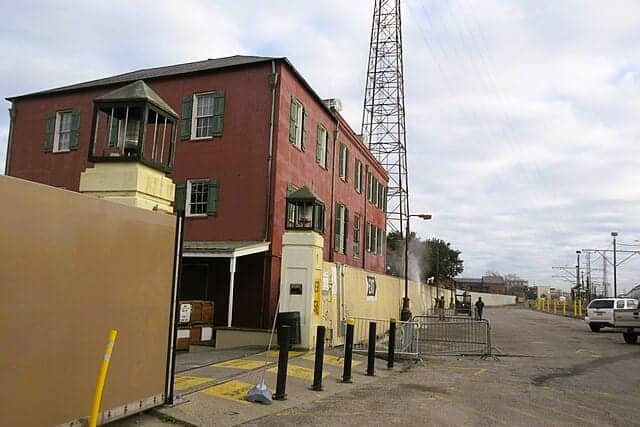
Understanding Historic Building Materials
Historic buildings are made from a wide range of materials, each with its own set of characteristics and vulnerabilities; knowing these can greatly influence the pressure washing process. Materials such as soft brick, mortar, wood, and decorative elements can be damaged if incorrect pressure washing techniques are applied. The professionals tasked with this job must have a thorough understanding of these materials to avoid causing irreversible damage.- Identify the building materials prior to starting the job.
- Consult with a preservation expert if unsure about the material's durability.
- Always test the pressure on a small, inconspicuous area first.
Choosing the Right Pressure Washing Techniques
Choosing the correct technique is crucial, especially when dealing with the varied and often delicate materials found in historic buildings. Professionals must adjust their equipment to suit the specific needs of each material, using lower pressures and specialized nozzles to gently remove dirt and grime without harming the underlying surface.- Use lower pressure settings to prevent damage.
- Select nozzles that distribute water evenly and gently.
- Consider soft washing techniques that use less pressure.
Pre-Cleaning Assessments and Precautions
Before any cleaning begins, a detailed assessment of the building is necessary. This assessment should identify any areas that are particularly vulnerable or already damaged, which might be adversely affected by water pressure. Precautions can then be taken to protect these areas during the cleaning process.- Document the condition of the building thoroughly.
- Use protective coverings on the most vulnerable areas.
- Plan the cleaning route to avoid water pooling and potential water damage.
Protective Measures for Delicate Features
Many historic buildings feature intricate carvings, friezes, and stained glass that are especially susceptible to damage. Protective measures, such as low-pressure techniques and gentle cleaning solutions, are essential to preserve these features during pressure washing.- Cover delicate features with protective sheeting if necessary.
- Adjust the angle and distance of the pressure wash spray.
- Use brushes or soft cloths to manually clean extremely delicate areas.

Selecting Appropriate Cleaning Solutions
The choice of cleaning solutions is as important as the technique used. For historic buildings, it is critical to use cleaning agents that are effective yet gentle enough to not damage the materials. Harsh chemicals can cause discoloration, corrosion, and other forms of damage.- Opt for pH-neutral solutions designed for historic preservation.
- Avoid bleach and other harsh chemicals that can erode soft stones and mortars.
- Test cleaning solutions on a small area before full application.
Compliance with Preservation Standards
Preservation standards are set to protect historic buildings by governing the methods and materials used in their upkeep. It’s essential for pressure washing professionals to be aware of and comply with these standards to avoid legal repercussions and potential damage to the structure.- Familiarize oneself with local, state, and federal preservation guidelines.
- Obtain necessary permits if required.
- Keep up-to-date with the latest best practices in historic preservation.
Post-Cleaning Care and Maintenance
After a historic building has been pressure washed, ongoing care and maintenance are key to preserving its condition over time. Regular inspections and gentle cleanings can prevent the buildup of harmful materials that might require more aggressive cleaning methods in the future.- Schedule regular evaluations of the building’s exterior.
- Implement a maintenance cleaning schedule that is sensitive to the building’s materials.
- Provide training for maintenance staff on proper care techniques.
Key Takeaways for Pressure Washing Historic Buildings
- Thoroughly Assess and Prepare: Understanding the building's materials and condition is crucial.
- Choose Techniques and Tools Wisely: The right approach can prevent damage and preserve the building’s integrity.
- Follow Legal and Safety Standards: Ensuring compliance with preservation laws is essential.
Frequently Asked Questions
- What is the risk of not using low pressure?
- Using high pressure on historic buildings can lead to chipping, pitting, and other surface damage that might be irreversible.
- Can pressure washing remove historical patinas?
- Yes, inappropriate pressure washing can strip away patinas that contribute to a building's historic character. Always use gentle methods.
- How often should historic buildings be pressure washed?
- It depends on the building's exposure to pollutants and its location; generally, less frequent washing with gentle methods is recommended.
- Who should I hire to pressure wash a historic building?
- Always look for professionals who specialize in historic preservation and have experience with similar buildings.
- What should I do if damage occurs during pressure washing?
- Stop the cleaning immediately and consult a conservation specialist to assess and mitigate any damage.
- About the Author
- Latest Posts

Specializing in pressure washing services in St. Tammany, Danny’s Pressure Washing is committed to enhancing the curb appeal of both residential and commercial properties. With a focus on safety and meticulous attention to detail, our experienced team utilizes state-of-the-art equipment and techniques to deliver exceptional cleaning results for projects of all sizes.