Pressure Washing
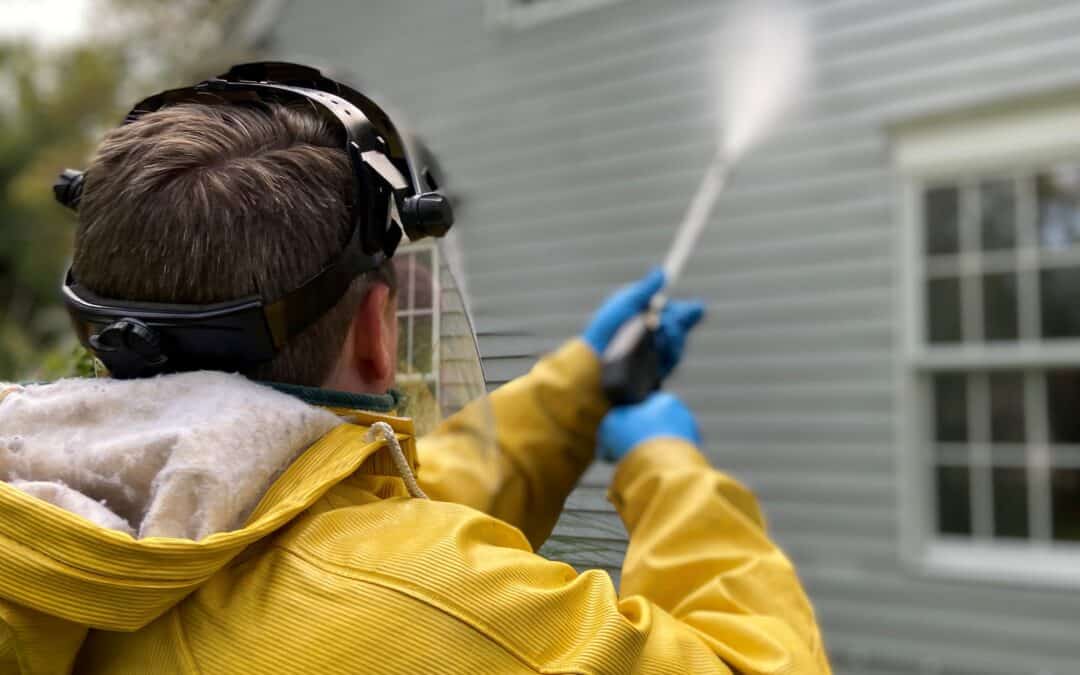
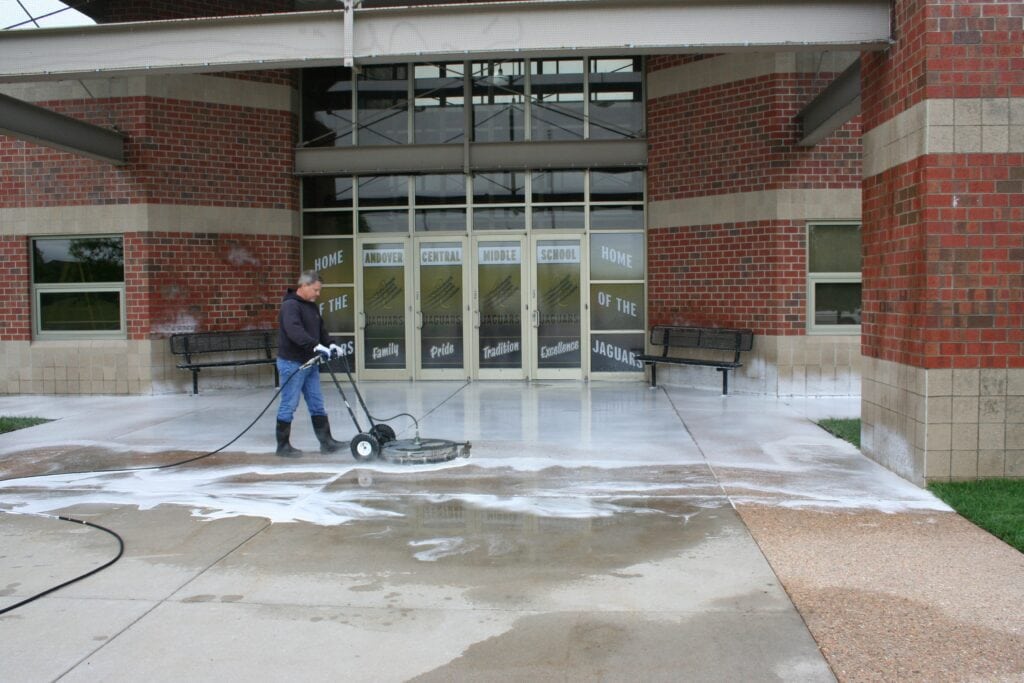
Pressure washing, also known as power washing, utilizes high-pressure water spray to clean a variety of surfaces. It typically involves a powerful machine that delivers water at high pressures, ranging from 1,500 to 3,000 pounds per square inch (PSI). This method is ideal for hard surfaces, such as concrete driveways, sidewalks, and brick walls.Benefits of Pressure Washing
- Deep Cleaning Power: Pressure washing effectively removes tough stains, grease, oil, and built-up dirt from surfaces. The high-pressure water spray can penetrate deep into the pores of hard surfaces, providing a thorough cleaning.
- Time Efficiency: With its strong water force, pressure washing allows for quicker cleaning compared to other methods. It can cover larger areas in less time, making it suitable for cleaning extensive driveways or patios.
- Versatility: Pressure washing can be used on a wide range of surfaces, including concrete, brick, stone, and metal. It is particularly effective in removing algae and moss growth, restoring the appearance of outdoor spaces.
Considerations for Pressure Washing
- Surface Damage: While pressure washing is highly effective, it can cause damage to certain delicate surfaces, such as wood, vinyl siding, and fragile stucco. Excessive pressure or improper technique may lead to etching, splintering, or loosening of paint.
- Safety Precautions: Due to the high pressure involved, safety precautions should be followed when using a pressure washer. It is essential to wear protective gear, such as goggles and gloves, and maintain a safe distance from the nozzle to prevent injuries.
Soft Washing
Soft washing is a gentle, low-pressure cleaning technique that relies on specialized equipment and cleaning solutions. It involves applying a biodegradable chemical solution to the surface, which is then rinsed off using a low-pressure spray. This method is suitable for delicate surfaces, such as roofs, vinyl siding, and painted surfaces.Benefits of Soft Washing
- Safe and Gentle: Soft washing avoids the risk of surface damage associated with high-pressure washing. The low-pressure spray ensures that delicate surfaces are not compromised, making it an ideal choice for materials prone to cracking or warping.
- Effective for Organic Growth: Soft washing is highly effective in removing algae, mold, mildew, and other organic growth that can accumulate on exterior surfaces. The chemical solution used in soft washing kills these organisms at their root, preventing future regrowth.
- Eco-Friendly: The cleaning solutions used in soft washing are environmentally friendly, biodegradable, and pose no harm to plants, animals, or humans. It offers an eco-conscious approach to cleaning your property.
Considerations for Soft Washing
- Chemicals and Precautions: Soft washing involves the use of specialized cleaning solutions, which should be handled and applied according to the manufacturer's instructions. Protective gear, such as gloves and goggles, should be worn to minimize exposure to the cleaning solution.
- Professional Assistance: Soft washing requires specialized equipment and knowledge of proper techniques. It is advisable to hire professional soft washing services to ensure effective and safe cleaning that meets the specific needs of your property.

Choosing the Right Cleaning Method for Your Property
Now that we have explored the characteristics and benefits of both pressure washing and soft washing, it's essential to consider which method is best suited for your property. Here are some factors to consider:-
- Surface Type: Assess the surfaces you need to clean. If you have hard surfaces such as concrete, brick, or stone, pressure washing can effectively remove dirt, stains, and debris. For more delicate surfaces like roofs, vinyl siding, or painted surfaces, soft washing is a safer option.
- Cleaning Objective: Determine the specific cleaning requirements of your property. If you're dealing with heavy grease, oil stains, or deeply embedded dirt, pressure washing's high-pressure spray can provide a more thorough cleaning. On the other hand, if your main concern is removing organic growth like algae or mold, soft washing's chemical solution can effectively eliminate and prevent regrowth.
- Surface Condition: Consider the condition of the surfaces you intend to clean. Older or more fragile surfaces may be susceptible to damage from high-pressure washing. In such cases, soft washing's gentle approach can minimize the risk of surface damage.
- Hiring Professionals: If you're unsure about which method to choose or if you lack the necessary equipment and expertise, it's wise to hire professional cleaning services. Professional cleaners will assess your property, understand your cleaning needs, and recommend the most suitable method to achieve optimal results.
Maintenance and Frequency Guidelines for Each Method
Keeping your exterior surfaces looking sharp isn't just about doing a deep clean once and calling it done. Regular maintenance plays a huge role in how long your results last and how much buildup accumulates between cleanings. Whether you're using pressure washing or soft washing, knowing how often to schedule each service can help prevent damage, reduce costs, and keep your home looking its best all year round.- Pressure Washing: Most homeowners find that pressure washing high-traffic areas like driveways, sidewalks, and patios once per year is enough to control grime and buildup.
- Soft Washing: Surfaces prone to mold and algae, such as roofs and siding, typically need soft washing every 2 to 3 years—more frequently in humid climates or shaded areas.
- Seasonal Considerations: Spring and early fall are ideal times for both methods. Cleaning before winter can help prevent moisture damage, while spring cleaning clears away pollen and mildew from wet weather.
Restore Your Property
Don’t wait until grime, mold, or stains take over. Whether you need the raw cleaning power of pressure washing or the gentle touch of soft washing, getting the right method can make a big difference. Let a trusted professional help you protect your property, improve curb appeal, and extend the life of your exterior surfaces.- Book a free consultation to evaluate which cleaning method fits your home best.
- Get expert advice on how to maintain your surfaces between professional cleanings.
- Enjoy long-lasting results that make your home or business look brand new again.
Frequently Asked Questions
How often should I pressure wash my driveway or patio?
Most driveways and patios benefit from pressure washing once per year. If your area has high foot traffic, frequent rain, or heavy vehicle use, you may need it twice a year for best results.Is soft washing safe for painted siding or roof shingles?
Yes. Soft washing is designed for delicate surfaces like painted wood, vinyl siding, and asphalt shingles. The low pressure prevents damage, and the biodegradable solution kills mold and algae without stripping paint.Can I do pressure washing or soft washing myself?
You can rent a pressure washer, but improper use can damage surfaces or cause injury. Soft washing requires chemical handling and special pumps, which is why it's typically safer and more effective when done by professionals.Will soft washing keep mold and algae from coming back?
Soft washing treats the root of organic growth, which means results can last 2 to 3 times longer than pressure washing. However, if your home is in a humid or shaded area, regular maintenance is still recommended.Which method is more eco-friendly?
Soft washing is often more eco-friendly when done correctly. It uses biodegradable cleaners and lower water volume compared to pressure washing. Many professionals also take steps to protect landscaping and groundwater during the process.- About the Author
- Latest Posts

Specializing in pressure washing services in St. Tammany, Danny’s Pressure Washing is committed to enhancing the curb appeal of both residential and commercial properties. With a focus on safety and meticulous attention to detail, our experienced team utilizes state-of-the-art equipment and techniques to deliver exceptional cleaning results for projects of all sizes.